Heather’s Bookshelf: Author Interview with S. Kallistos
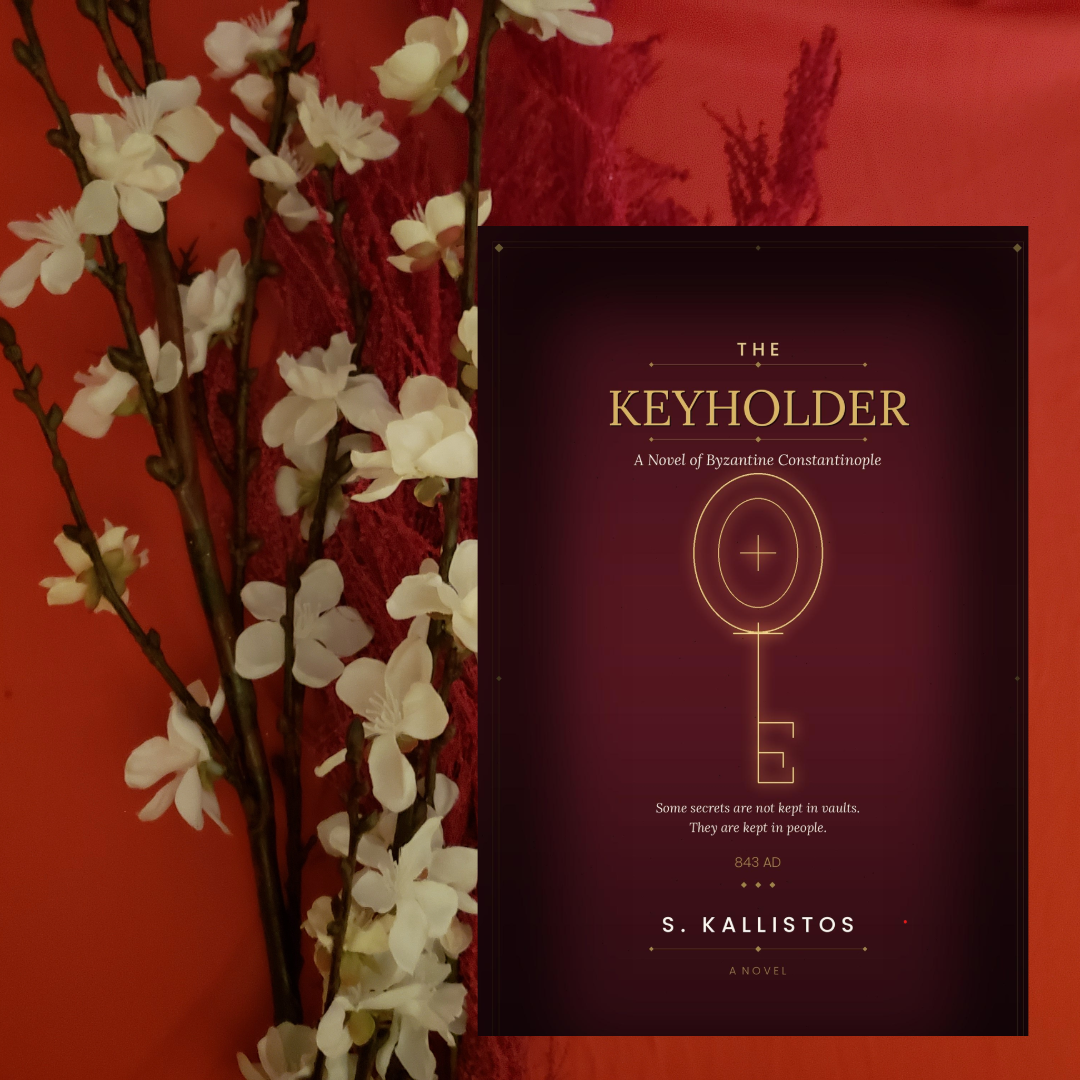
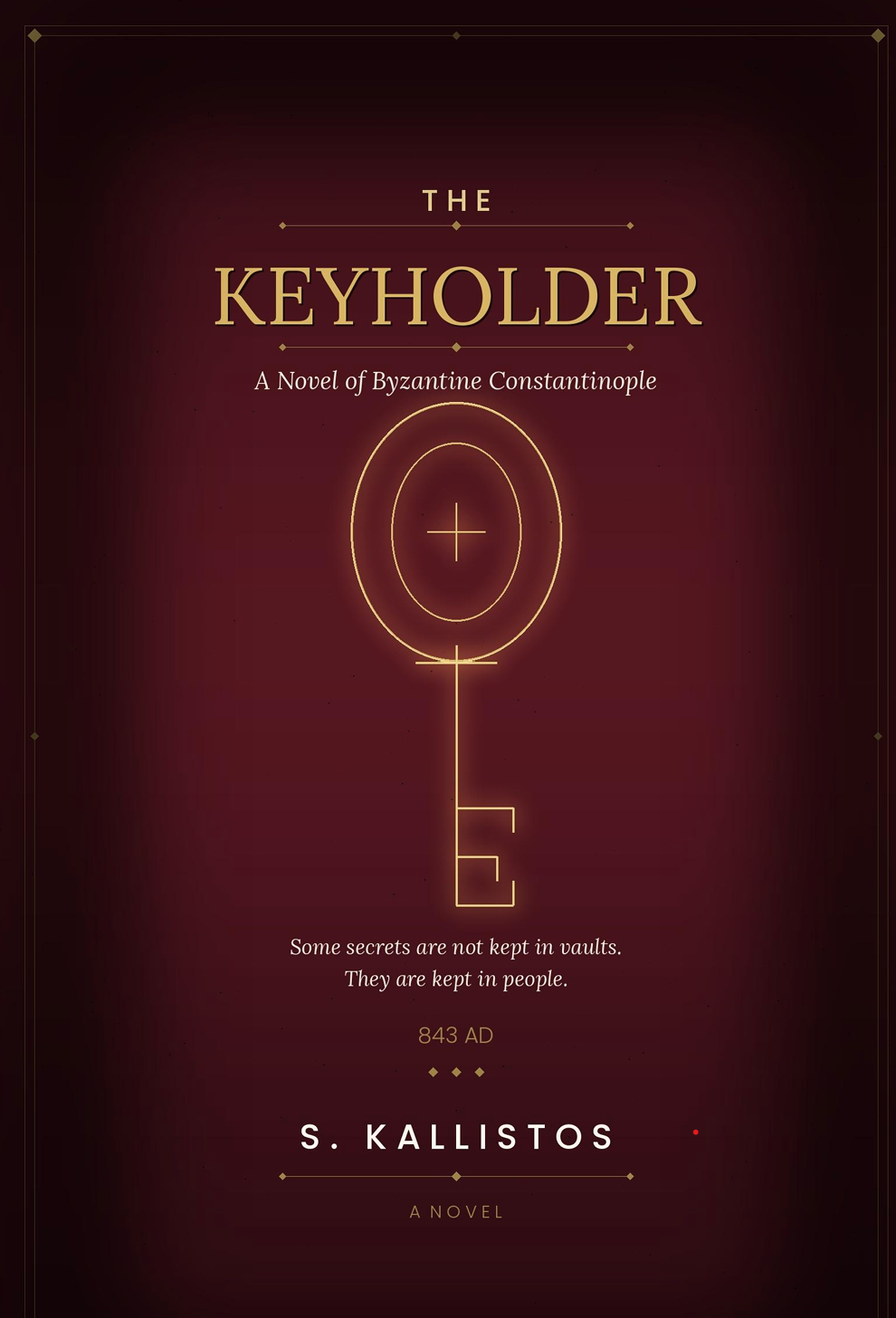
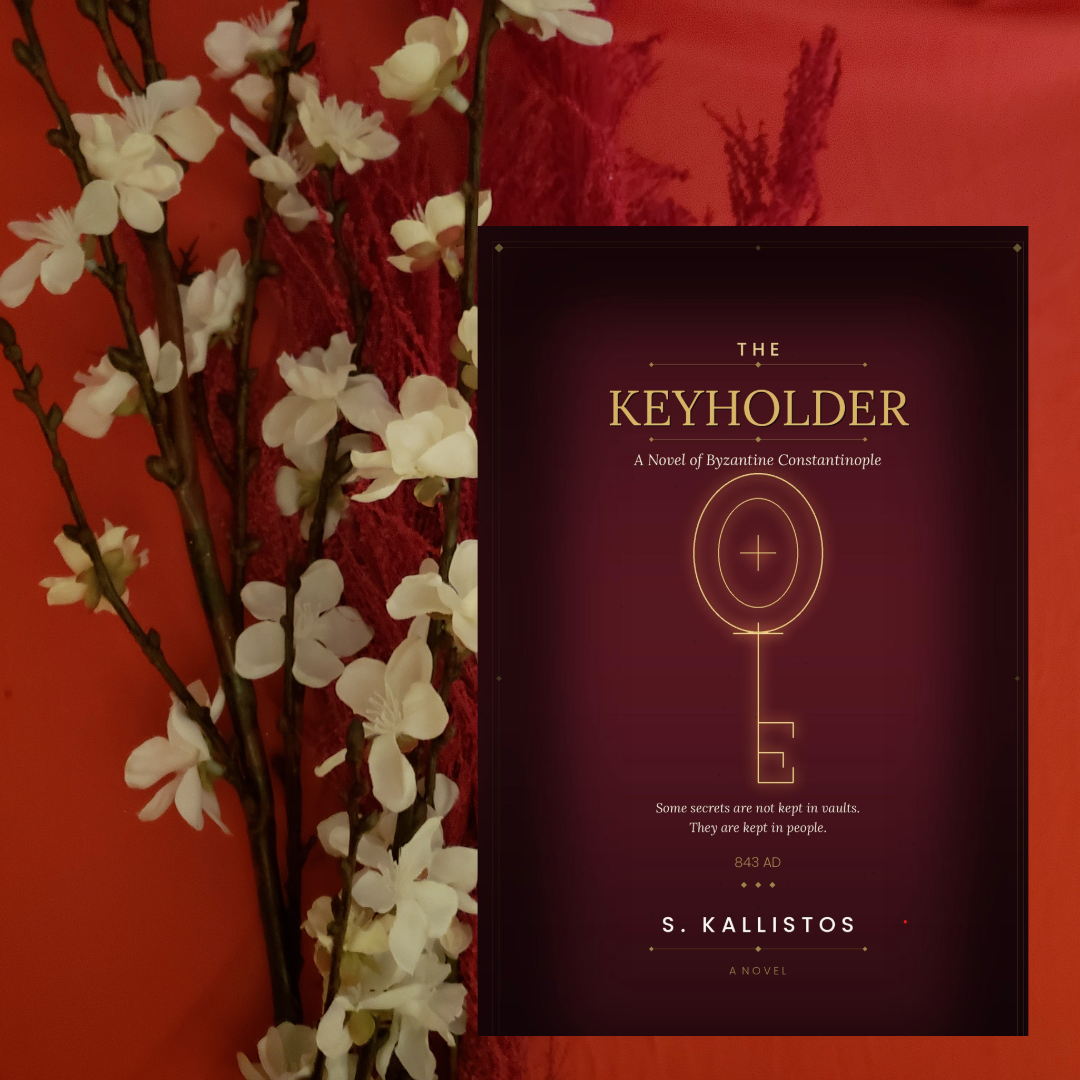
Book Title: The Keyholder
Released: 03/21/26
Genre: Historical Fiction
Interview by Heather L. Barksdale
What inspired you to write “The Keyholder”?
Kallistos: 9th century Byzantium is one of the richest and least written periods in English language fiction. I was drawn to the year 843 in particular, the year of the Triumph of Orthodoxy and the end of Iconoclasm, because it's a moment when the empire is celebrating in public while, beneath the surface, the palace keeps its secrets hidden. I wanted to write about the women of that world, whose influence ran quietly beneath the machinery of power, and about how dangerous knowledge was in a society built on silence.
How did you come up with the names of your main characters?
Kallistos: Most of them are authentic Byzantine aristocratic names. Doukas, Phokas and Komnenos were real houses that would go on to produce emperors in the centuries that followed, and Theodora was of course the reigning empress in 843. I wanted readers to feel they were standing on real historical ground, even where my characters are invented. A name carries the weight of a whole family behind it.
Is there anything that you want readers to know about you, your writing process or your book?
Kallistos: I write first in Greek and then work the text into English myself, which I hope leaves the prose with a slightly different rhythm. I work by the "iceberg" method: what is left out matters as much as what is said. If the silences of the book speak to you as much as its words, then I've done my job.
If "The Keyholder" was adapted into a movie, who would you like to see cast to play your lead characters?
Kallistos: Charlize Theron as Theodora. She can hold a room without raising her voice, and Theodora needs exactly that: imperial authority with something guarded underneath it, a woman who has learned that every word she says becomes policy. And Gal Gadot as Theophano, for her stillness and the sense of someone watching more than she lets on. Theophano's strength is observation rather than force, and that is a difficult thing to play. Both of them would have to do a great deal with very little dialogue, which is rather the point of the book.
If you could have dinner with any character you’ve written, who would it be—and what would you talk about?
Kallistos: Eirene. She's one of the quietest figures in the book, but she observes everything, and I suspect she knows far more than she ever says. I'd want to let her finally speak freely, without the caution her position forced on her.
When you encounter writer’s block, what do you do to break yourself out of it?
Kallistos: I go back to the sources: Byzantine chronicles, maps of Constantinople, descriptions of the Sacred Palace. Often the block isn't a shortage of ideas but a shortage of concrete detail. The moment I recover the texture of the world, the smell of incense, the sound of footsteps in a narrow corridor, the scene begins to breathe again.
What’s the weirdest or most unexpected place you’ve gotten a story idea from?
Kallistos: Not a strange place so much as an unexpected one. The book began two years ago during a visit to a Byzantine fortress on the island where I grew up. I had walked through it countless times as a child without thinking much about it. That day I found myself standing in it as an adult, looking at the walls and the empty rooms, and it struck me that a novel about Constantinople might start at the edge of the empire rather than at its centre. The provinces know things the capital would rather forget.
What is your favorite genre, book, and/or author?
Kallistos: Historical and literary fiction. My influences are visible in the book: Umberto Eco and Hilary Mantel for the way they bring a period to life without ever explaining it, and Madeline Miller for emotional clarity. At the level of the sentence, I'm always learning from Joyce and Hemingway.
What are you working on next?
Kallistos: The sequel came out last month. It's called The Unforgotten, a second novel in the same world, which follows what remains when an empire decides not merely to kill its enemies but to erase them. And I'm already planning a third book to close out the trilogy.
Learn More About the Author and The Keyholder here:
Interested in checking out the book for yourself?
Find it for purchase here
Interested in submitting your book for review? Visit my review page for guidelines and submission requirements.
review